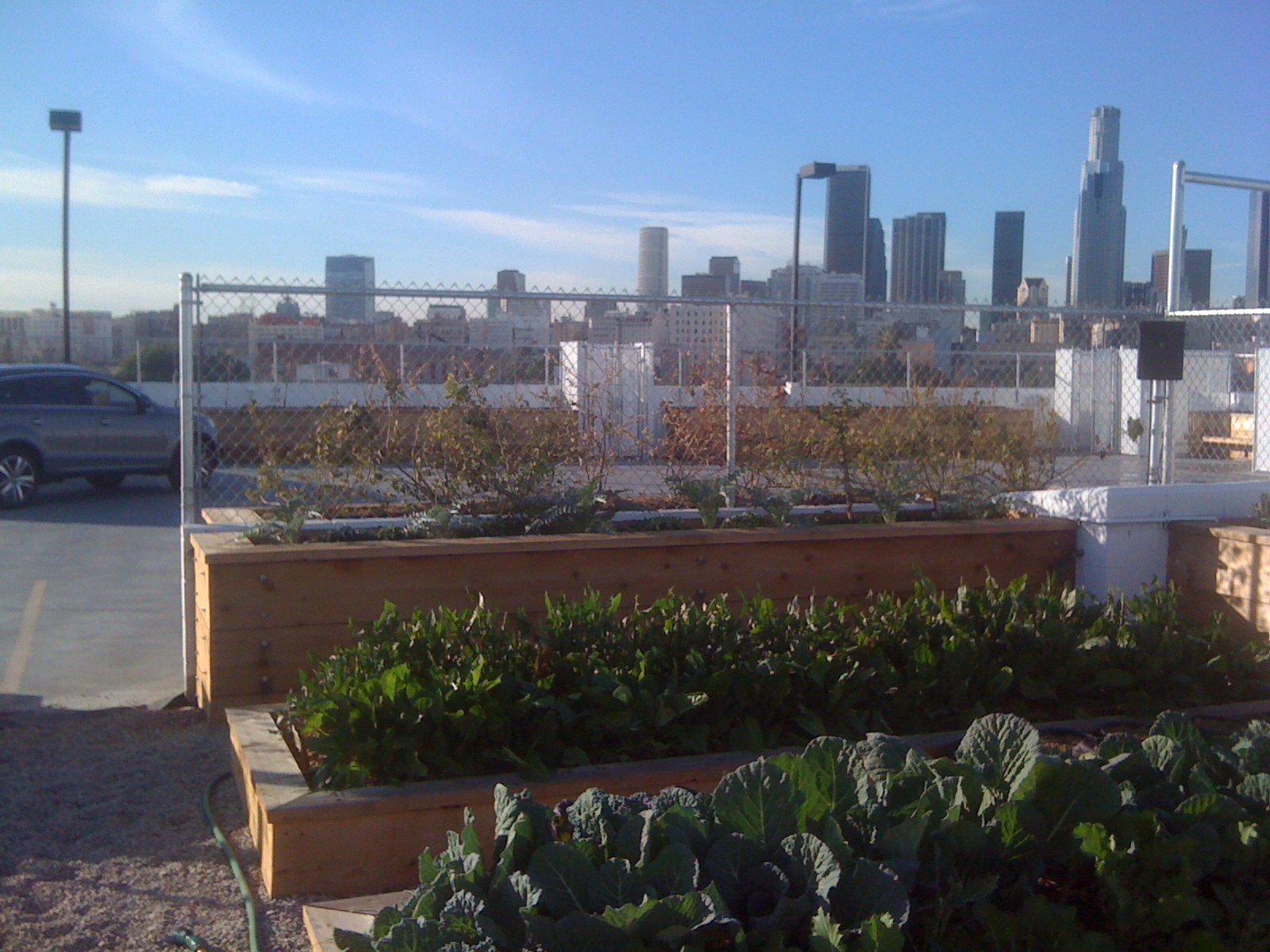
When the white man came to California, he found a verdant paradise: meadows thick with wildflowers and clover, stately groves of nut trees, abundant, healthy game and rivers full of fish. It was a land of endless bounty. The natives, often derogatorily called “Diggers” by the whites, seemed to live off this bounty in a lazy, hand-to-mouth sort of way.
Tending the Wild, a highly readable dissertation, takes this mythology apart. Anderson’s argument is that the native people of California were active stewards of the land.
“Through coppicing, pruning, harrowing, sowing, weeding, burning, digging, thinning, and selective harvesting, they encouraged desired characteristics of individual plants, increased populations of useful plants, and altered the structures and compositions of plant communities. Regular burning of many types of vegetation across the state created better habitat for game, eliminated brush, minimized potential for catastrophic fires, and encouraged diversity of food crops. These harvest and management practices, on the whole, allowed for sustainable harvest of plants over centuries and possibly thousands of years.“
Through extensive practical experience, the Indians had found a “middle way” between exploitation of the land and hands-off preservation of the land. They made use of the land, and in so doing, made the land better for all other creatures as well. They used resources, but managed to give back more. And in so doing, they shaped California.
“John Muir, celebrated environmentalist and founder of the Sierra Club, was an early proponent of the view and California landscape was a pristine wilderness before the arrival of the Europeans. Staring in awe at the lengthy visas of his beloved Yosemite Valley, or the extensive beds of golden and purple flowers in the Central Valley, Muir was eyeing what were really the fertile seed, bulb and green gathering grounds of the Miwok and Yokuts Indians, kept open and productive by centuries of carefully planned indigenous burning, harvesting and seed scattering.”
Our favorite idea to come out of this book is the notion that plants and animals need people. This is the philosophy of the Native American elders Anderson interviews. Rather as plants need birds to scatter their seeds, plants rely on humans to thin and prune them, protect them and spread them. The elders imagined an active, reciprocal relationship of use between humans, plants and animals. For them, “wilderness” is a pejorative term. When land is untended, it turns feral and declines. In a thriving land there is physical and spiritual intimacy between man, plants and animals.
All this is to say that California, at first European contact, was a garden–a garden that had been loved, tended and built up for generations. And the first settlers and explorers couldn’t see it. They saw a gift from God, one which they stripped bare in short order.
There is sadness in reading this, sadness in thinking of all that has been lost. But as Anderson contends, there is still a chance to preserve some of this knowledge. It lives on in the elders who remain whose grandparents remembered California before the gold rush. This book collects some of that knowledge, and talks about Indian management of certain species. While it cannot teach us everything, it provides a tantalizing vision of a non-exploitative yet productive relationship between man and nature, providing us a path for the future, if we can find the will to take it before it is too late.
Highly recommended read, especially for Californians, conservationists, gardeners, wild plant enthusiasts and those studying permaculture.


 (the Joy of Cooking of Italian Cuisine) and you’ll discover entire chapters devoted to the use of wild or semi-wild plants.